Featured
All About Why Denying to Seek Debts You Still Owe After B...
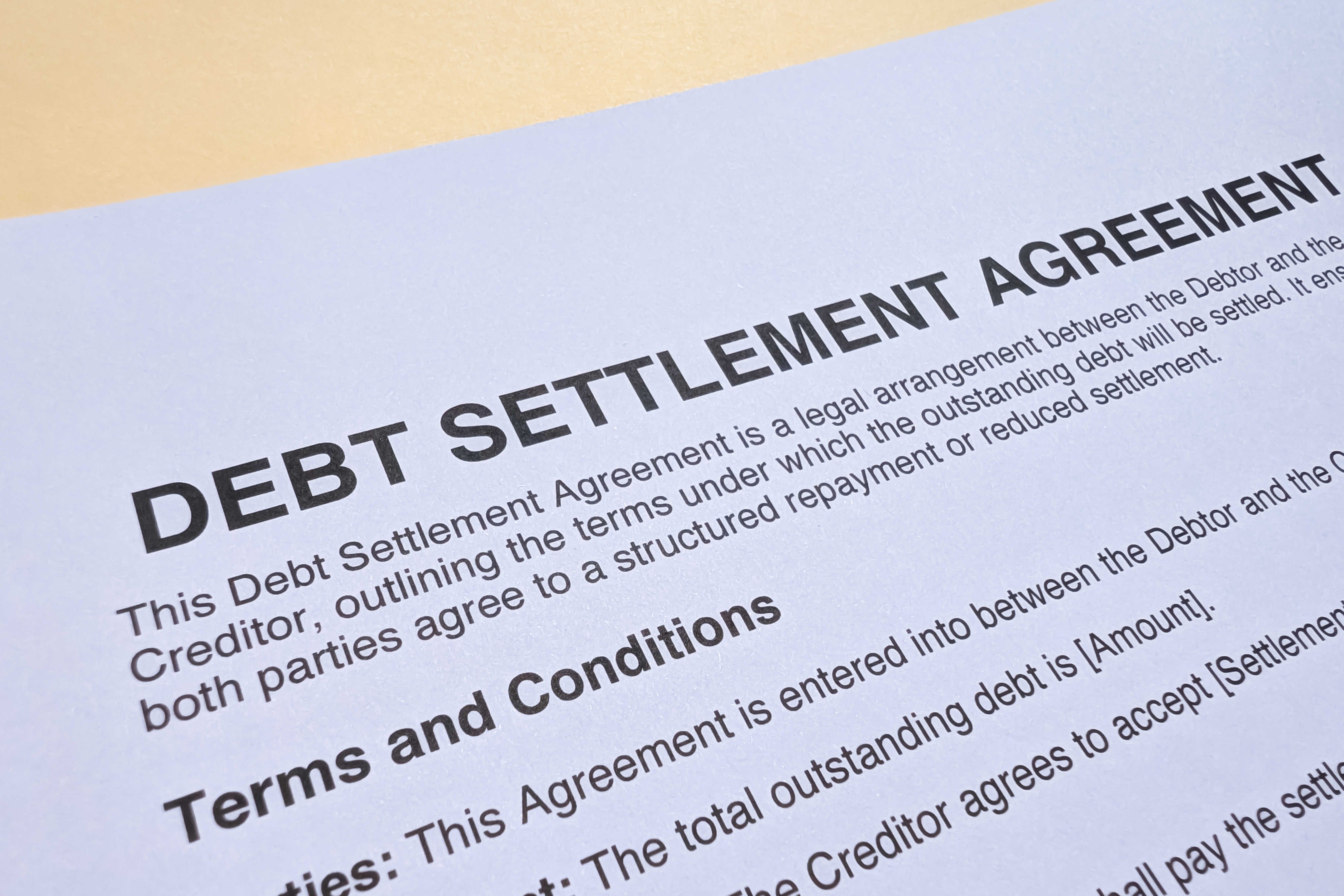
Facts About How Professional Guidance Makes a Difference ...

How Prevalent Misconceptions Regarding From Forbearance to Repayment Plan: Post-Crisis Options Explained by Housing Counselors can Save You Time, Stress, and Money.
Table of Contents
The firm will certainly pull a credit record to understand what you owe and the extent of your hardship. If the forgiveness program is the finest option, the therapist will certainly send you an arrangement that details the plan, consisting of the amount of the monthly payment.
Once every person concurs, you begin making regular monthly repayments on a 36-month plan. When it's over, the agreed-to amount is removed. There's no charge for paying off the balance early, but no expansions are allowed. If you miss out on a repayment, the arrangement is squashed, and you have to exit the program. If you assume it's an excellent option for you, call a therapist at a nonprofit credit scores counseling company like InCharge Debt Solutions, that can answer your questions and aid you determine if you qualify.
Due to the fact that the program enables borrowers to resolve for less than what they owe, the creditors that take part want confidence that those who benefit from it would not be able to pay the total. Your charge card accounts also should be from banks and debt card firms that have actually accepted get involved.
If you miss out on a payment that's just one missed out on settlement the contract is terminated. Your lender(s) will certainly cancel the plan and your equilibrium goes back to the initial quantity, minus what you have actually paid while in the program.
The smart Trick of How Debt Counselors Operate with Families That Nobody is Discussing
With the mercy program, the lender can rather pick to keep your financial debt on the publications and redeem 50%-60% of what they are owed. Nonprofit Debt Card Financial debt Forgiveness and for-profit debt settlement are comparable in that they both provide a means to resolve bank card financial obligation by paying much less than what is owed.
Charge card forgiveness is made to set you back the customer less, pay off the financial obligation quicker, and have less downsides than its for-profit equivalent. Some crucial areas of difference in between Debt Card Financial obligation Forgiveness and for-profit financial obligation negotiation are: Credit scores Card Debt Forgiveness programs have relationships with lenders who have concurred to participate.
Once they do, the payback period begins right away. For-profit financial debt negotiation programs work out with each lender, usually over a 2-3-year duration, while rate of interest, costs and calls from financial obligation collectors proceed. This suggests a larger hit on your credit scores record and credit rating, and a boosting balance up until arrangement is finished.
Credit Card Financial debt Mercy customers make 36 equivalent month-to-month repayments to remove their financial debt. The repayments most likely to the lenders till the agreed-to equilibrium is gotten rid of. No passion is billed throughout that period. For-profit financial debt settlement customers pay into an escrow account over an arrangement period towards a swelling amount that will be paid to lenders.
Getting My How Quality Counselors Apart from the Industry To Work
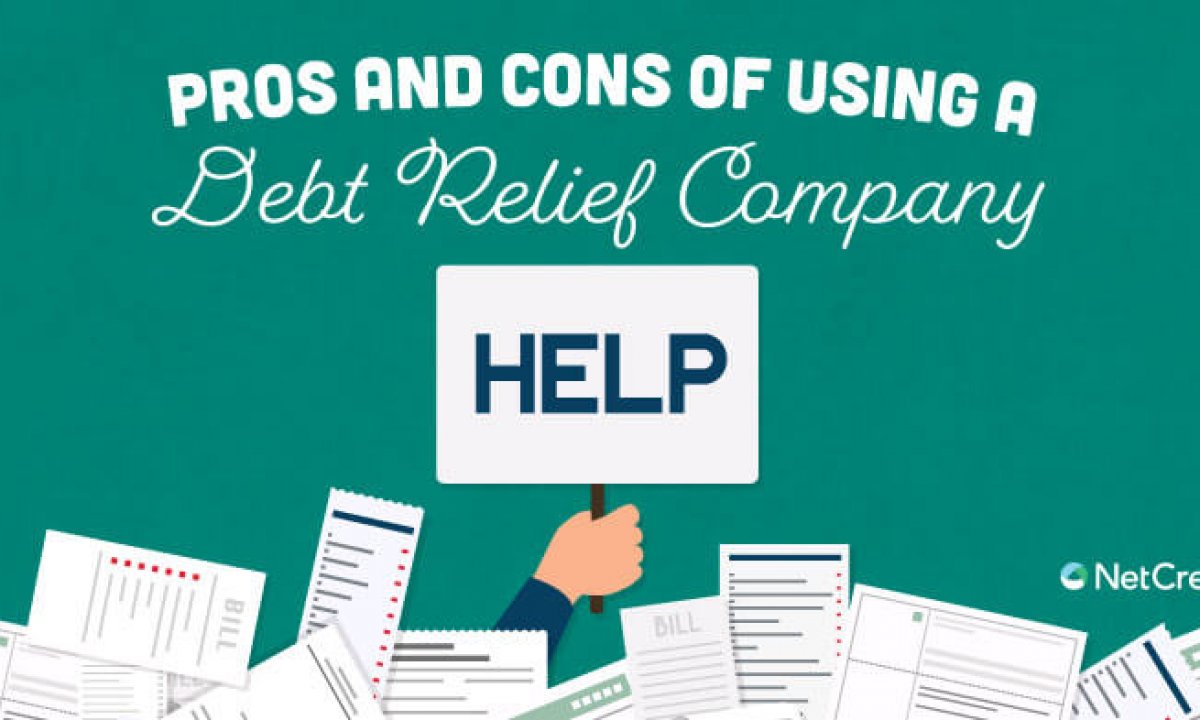
Telephone calls from financial debt collectors proceed and creditor-reported non-payments proceed to damage the client's credit score report. Enrollment in a Credit Rating Card Debt Forgiveness quits calls and letters from debt collection and healing agencies for the accounts consisted of in the program.
For-profit financial obligation settlement programs don't quit collection activities till the lump-sum settlement is made to the creditor. Nonprofit Bank Card Debt Forgiveness programs will certainly inform you in advance what the regular monthly fee is, capped at $75, or less, depending upon what state you reside in. For-profit financial obligation settlement business might not be clear concerning cost quantities, which commonly are a percentage of the equilibrium.
The Facts About How Bankruptcy Counseling Matters Revealed
For-profit financial debt settlement likely will hurt it extra, because you will not be paying lenders throughout the 2-3 year negotiation/escrow duration, but they haven't consented to a plan or gotten any type of cash, so they're still reporting nonpayment. This is on top of the credit report struck from not paying the sum total.
In many cases, financial debt combination likewise features a reduced rate of interest than what you were paying on your bank card, making the regular monthly expenses, in addition to general costs, much less. Charge card financial obligation consolidation's most common types are financial obligation monitoring strategies, financial debt combination lendings, or a zero-interest transfer bank card.
To get a financial obligation loan consolidation loan or a zero-interest equilibrium transfer debt card, you require a credit report of a minimum of 680. Higher. If your accounts are billed off, your credit rating is likely well listed below that. Credit rating isn't a factor for financial debt administration program, but you need an adequate earnings to be able to make a regular monthly repayment that will cover every one of the accounts consisted of in the program.
Insolvency is the last resort for someone that has more debt than they can pay. It can be the action you take in order to avoid bankruptcy.
The 9-Minute Rule for Typical False Beliefs Regarding From Forbearance to Repayment Plan: Post-Crisis Options Explained by Housing Counselors
Insolvency will certainly get rid of all qualified unprotected financial obligation. Credit Rating Card Debt Forgiveness will certainly have an unfavorable influence on your credit rating rating since complete equilibriums on accounts were not paid.
Credit Score Card Financial debt Forgiveness repayments begin as soon as you're approved into the program. Collection activities and claims on Credit report Card Debt Mercy customers are quit when creditors agree to the strategy.

Table of Contents
Latest Posts
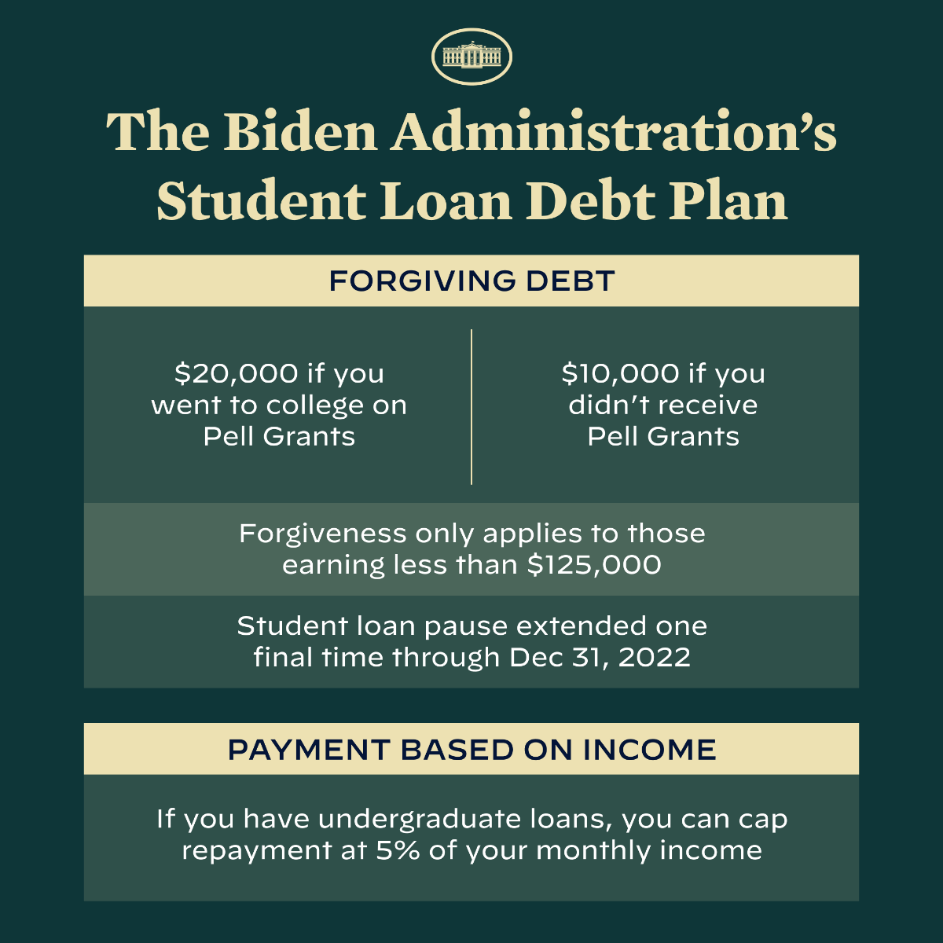
All About Why Denying to Seek Debts You Still Owe After Bankruptcy: What You Can’t Erase : APFSC May Cost You
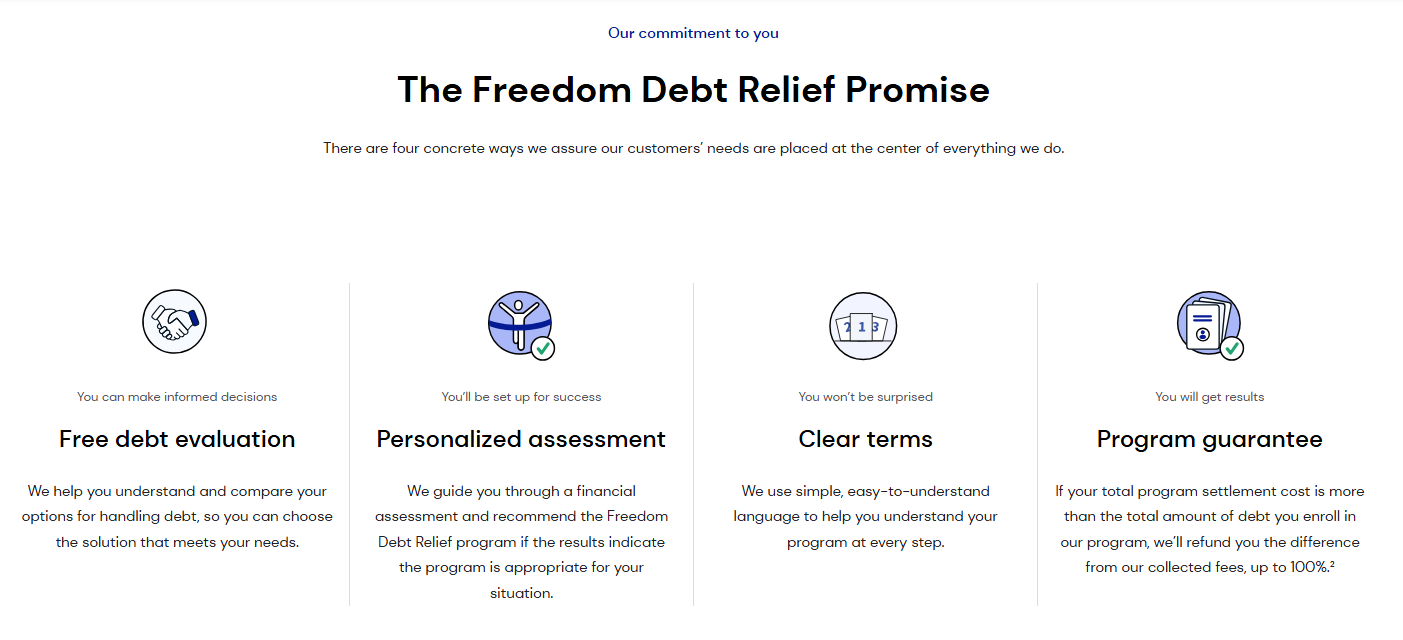
Little Known Questions About How to Take Action Today.

Not known Incorrect Statements About Your Protection
More
Latest Posts
All About Why Denying to Seek Debts You Still Owe After Bankruptcy: What You Can’t Erase : APFSC May Cost You
Little Known Questions About How to Take Action Today.
Not known Incorrect Statements About Your Protection